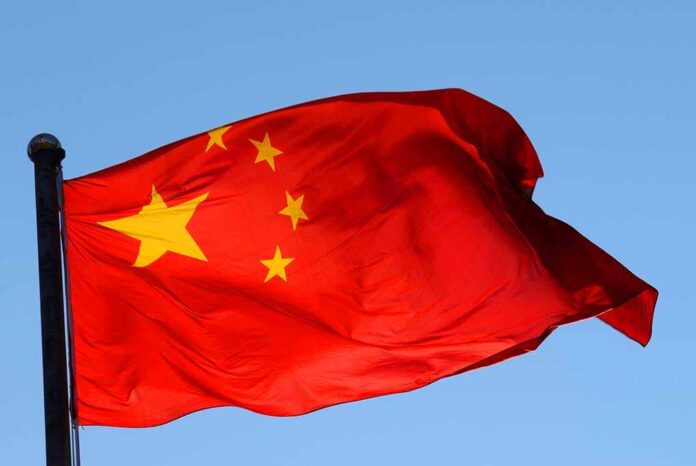
Trump’s plan to open the doors to 600,000 Chinese students has left many conservatives asking: is America’s security and sovereignty once again being sidelined for globalist interests?
Story Snapshot
- President Trump’s announcement to allow up to 600,000 Chinese students in the US marks a sharp departure from his previous tough stance on Chinese visas.
- The proposed number is more than double the current Chinese student population in America, raising significant security and cultural concerns.
- Right-wing commentators and Trump’s political base express frustration, viewing the move as inconsistent with “America First” principles.
- No formal policy change has gone into effect; national security agencies continue strict scrutiny and visa revocations for students with CCP ties.
Trump’s Announcement Sparks Outrage Among Conservatives
On August 25, 2025, President Trump’s statement that he would allow as many as 600,000 Chinese students to study in the United States sent shockwaves through his conservative base. This figure dwarfs the current 277,000 Chinese students in the US and stands as a dramatic reversal from years of heightened visa restrictions. Trump justified the move as a step to benefit American universities and diplomacy, provided national security concerns are addressed. However, many see this as a clear break from his “America First” platform, which prioritized strict immigration controls and vigilance against foreign influence.
Conservative media and grassroots supporters quickly voiced their disappointment and alarm. For years, Trump’s supporters have backed aggressive measures against illegal immigration, government overreach, and globalist policies—seeing these as threats to American jobs, culture, and security. The sudden willingness to more than double Chinese student admissions has been criticized as bowing to university lobbyists and economic interests at the expense of national security and constitutional priorities. Social media erupted with calls to put Americans first, while right-wing outlets accused the administration of betraying hard-fought gains against foreign meddling.
National Security, Espionage, and the Integrity of US Institutions
Security agencies and the State Department have repeatedly warned of the risks posed by large numbers of Chinese nationals in sensitive academic and research fields. Past Trump and Biden policies imposed strict scrutiny and even suspended certain Chinese graduate student visas, citing widespread espionage and intellectual property theft linked to the Chinese Communist Party. As recently as May 2025, Secretary of State Marco Rubio reaffirmed aggressive visa revocation policies, targeting students with CCP connections or those entering critical STEM programs. Despite Trump’s new rhetoric, these enforcement measures remain in place, reflecting a deep institutional skepticism about any large-scale relaxation of visa restrictions.
Universities, however, have lobbied hard for more open policies. Many rely heavily on international student tuition and research output, especially from China. Higher education analysts acknowledge the financial and academic benefits, but national security experts and conservative lawmakers argue these must not come at the cost of American safety, sovereignty, or the integrity of advanced research sectors. The contradiction between Trump’s stated openness and his administration’s ongoing enforcement has left stakeholders uncertain and the conservative base deeply uneasy.
Economic Pressures, Political Divides, and Ongoing Policy Uncertainty
The financial health of US universities is a major factor driving the push for higher international student admissions. Enrollment from China, once topping 370,000, plummeted during COVID-19 and under tighter visa scrutiny. Many institutions see Trump’s signal as a potential lifeline, but the political cost is high: the “America First” coalition, which fueled Trump’s rise, now fears a return to globalist priorities that erode job opportunities, family values, and constitutional rights. Critics warn that flooding campuses with foreign nationals, particularly from a strategic rival, risks both economic displacement of Americans and deeper infiltration by adversarial interests.
Despite the headline-grabbing announcement, no concrete policy mechanism has been enacted to actually allow 600,000 Chinese students. Visa scrutiny and revocation remain robust, and the administration has not issued any formal changes. The situation remains fluid, with powerful voices in the administration and Congress pushing back against any blanket relaxation. For now, the story underscores the ongoing tension between economic interests, university lobbying, and the enduring conservative demand for secure borders, American jobs, and protection of national sovereignty.
🚫 Trump Says He’ll Allow 600,000 Chinese Students To Study In US
America Firsthttps://t.co/A5fF5cQLjj— DailyJobCuts . com – Layoffs / Job / Economy News (@dailyjobcuts) August 26, 2025
As debate rages on, Trump faces mounting pressure to clarify whether his administration will hold the line on national security and immigration, or if he will risk alienating the very base that returned him to the White House. For conservatives wary of globalist overreach, the fight for America’s future remains far from over.
Sources:
US welcoming 600k Chinese students: Trump’s statement riles MAGA base
Universities face impact of Trump policy on Chinese students
Donald Trump opens door to 600,000 Chinese students in US: What does it mean for both nations?
Fact Sheet: President Donald J. Trump restricts foreign student visas at Harvard University
Trump says he’ll allow 600,000 Chinese students to study in US